
"best Ethiopian beans"
3000 article(s) found
A brief introduction to boutique coffee beans and Ethiopian coffee
Lim G2 Ethiopia is the hometown of Arabica coffee, and you can see wild Arabica coffee in the forests of the Kaffa region. In Ethiopian, coffee is called Bun or Buna, and coffee beans (coffee bean) may be translated from Kaffa Bun. Arabica coffee has long been found in the Harald area, which is very accessible.

Introduction to Ethiopian Coffee Bean Culture of Ethiopian Coffee beans
Various forms of coffee cultivation can be found in Ethiopia: everything from wild coffee forests and semi-developed land to traditionally operated plots to modern plantations. About 50% of the coffee is grown more than 1500 meters above sea level. Harrar coffee is the highest growing area of all coffee in Ethiopia. Hara coffee can be divided into long coffee.
Characteristics of Ethiopian coffee beans introduction of Ethiopian coffee beans
Various forms of coffee cultivation can be found in Ethiopia: everything from wild coffee forests and semi-developed land to traditionally operated plots to modern plantations. About 50% of the coffee is grown more than 1500 meters above sea level. Harrar coffee is the highest growing area of all coffee in Ethiopia. Hara coffee can be divided into long coffee.
Characteristics of Ethiopian coffee beans introduction of Ethiopian coffee beans
Various forms of coffee cultivation can be found in Ethiopia: everything from wild coffee forests and semi-developed land to traditionally operated plots to modern plantations. About 50% of the coffee is grown more than 1500 meters above sea level. Harrar coffee is the highest growing area of all coffee in Ethiopia. Hara coffee can be divided into long coffee.

Coffee birthplace introduces Ethiopian coffee beans
One of the rarest Ethiopian coffee beans on the market is Ilgachafi, which is exported to Japan and Europe but is rarely seen in the United States. This is because Dallmeyer, a German coffee roaster owned by Nestl, has established a close relationship with the growers of Ilga Chafi coffee, thus obtaining the largest order of this kind of coffee beans.
Coffee birthplace introduces Ethiopian coffee beans
One of the rarest Ethiopian coffee beans on the market is Ilgachafi, which is exported to Japan and Europe but is rarely seen in the United States. This is because Dallmeyer, a German coffee roaster owned by Nestl, has established a close relationship with the growers of Ilga Chafi coffee, thus obtaining the largest order of this kind of coffee beans.

A brief introduction to boutique coffee and Ethiopian coffee
Ethiopia is the hometown of Arabica coffee, and it is in the forests of Kaffa that you can see wild Arabica coffee. In Ethiopian, coffee is called Bun or Buna, and coffee beans (coffee bean) may be translated from Kaffa Bun. Arabica coffee was discovered early in the Harar area, probably from the card.

Does Ethiopian coffee taste good in the sun?-introduction to the grading system of sun-cured Essex coffee beans
Professional coffee knowledge exchange more information about coffee beans please follow the coffee workshop (Wechat official account cafe_style) of all the coffee producing countries, Ethiopia is probably the most eye-catching one. In addition to the unique and outstanding coffee produced in the country, the mysterious legends related to the local coffee add to its charm. Ethiopian coffee with unrestrained floral and fruity aromas

The characteristics of Essex Coffee Yega Snow Coffee Manor
The natural characteristics of coffee beans include large

Grade analysis of Ethiopian coffee beans how about Ethiopian coffee? Ethiopian coffee
Ethiopian coffee beans are divided into five levels. The first and second stages are washed beans. Washed beans Grade1 represents 3 defective beans per 300g raw beans, and Grade2 represents 4 defective beans per 300g. Gradc1 grade water washed beans are very rare and are generally difficult to buy. At present, all the washed beans exported from Ethiopia are Grade2 grade. The quality of sun-dried beans is Grade3 and Grade4 in order.

Characteristics of African Ethiopian coffee how good is the best coffee in Ethiopia
Professional coffee knowledge exchange more coffee bean information please follow the coffee workshop (Wechat official account cafe_style) Front Street-about Ethiopian Coffee Ethiopia is an underdeveloped country located in northeast Africa, but this country is a world-famous coffee producer. Ethiopia has the most diverse coffee ecosystem in the world (forest coffee, semi-forest coffee, pastoral).
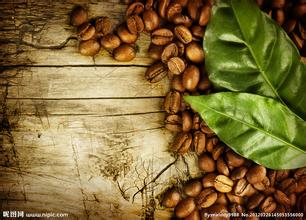
Introduction of Ethiopian Coffee beans the characteristics of Ethiopian coffee beans
Various forms of coffee cultivation can be found in Ethiopia: everything from wild coffee forests and semi-developed land to traditionally operated plots to modern plantations. About 50% of the coffee is grown more than 1500 meters above sea level. Harrar coffee is the highest growing area of all coffee in Ethiopia. Hara coffee can be divided into long coffee.
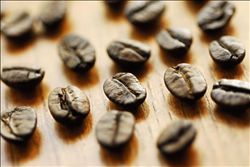
Origin of Ethiopian coffee beans the price of Ethiopian coffee beans
Various forms of coffee cultivation can be found in Ethiopia: everything from wild coffee forests and semi-developed land to traditionally operated plots to modern plantations. About 50% of the coffee is grown more than 1500 meters above sea level. Harrar coffee is the highest growing area of all coffee in Ethiopia. Hara coffee can be divided into long coffee.

Introduction of Ethiopian Coffee beans the characteristics of Ethiopian coffee beans
Various forms of coffee cultivation can be found in Ethiopia: everything from wild coffee forests and semi-developed land to traditionally operated plots to modern plantations. About 50% of the coffee is grown more than 1500 meters above sea level. Harrar coffee is the highest growing area of all coffee in Ethiopia. Hara coffee can be divided into long coffee.

Ethiopia Ethiopia (Ethiopia) Coffee boutique manor cultivation climate elevation is simple
The flavor of Ethiopian coffee is difficult to describe. It is neither strong nor sour. Therefore, it is not suitable for deep baking, otherwise it will easily lose its characteristics. When it comes to features, Ethiopian coffee is somewhat similar to the famous mocha coffee. Of course, high-quality Ethiopian coffee can be compared with the best coffee from all over the world, including its considerable price.
Ethiopian coffee
Ethiopia is the hometown of Arabica coffee, and it is in the forests of Kaffa that you can see wild Arabica coffee. In Ethiopian, coffee is called "Bun" or "Buna". Coffee beans (coffee bean) may be translated from "Kaffa Bun". Arabica coffee was discovered early in the Harald area.
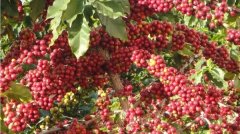
Brief introduction of Ethiopian Coffee
Ethiopia is the hometown of Arabica coffee, and it is in the forests of Kaffa that you can see wild Arabica coffee. In Ethiopian, coffee is called "Bun" or "Buna". Coffee beans (coffee bean) may be translated from "Kaffa Bun".
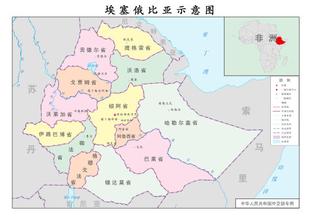
Ethiopian Coffee Coffee producing areas, Coffee Brands, Coffee Brands introduction
Ethiopia is one of the major producers of Arabica coffee in Africa, producing the best Arabian coffee in the world. It is said that coffee was first discovered by shepherds in Essekafa, and the name of coffee evolved from Kafa, so Essex is still the hometown of coffee. The geographical environment of coffee production and processing is very suitable for coffee growth. Coffee is mainly cultivated.

Kocher coffee beans, the best coffee producing area of Ethiopian coffee brand Yega Xuefei.
For the exchange of professional baristas, please follow the coffee workshop (Wechat official account cafe_style) Ethiopia Yega Sheffield Cochel washing G1 ◎ introduction: Kochere is located in the Gedeo region of southern Ethiopia, and the jurisdiction of this area is better known as Yega Xuefei and Kochere. Due to the coffee produced by Yirgacheffe